
















Exploring the Benefits of Avena Sativa: Empowering Women with PCOS
Avena sativa, also called oat straw or wild oat, is the whole oat plant used in nutritional and herbal preparations rather than the porridge oats in your cupboard. It's valued as a source of fibre, B vitamins, magnesium and plant compounds called avenanthramides. It is not a treatment for PCOS or any other condition.
If you've landed here after seeing "avena sativa" pop up in a hormone-health supplement stack, you're not imagining the buzz. It's everywhere right now, tucked into blends for mood, energy and cycle support. But before you add anything to your routine, you deserve a straight answer about what it actually is, what the research genuinely shows, and where the evidence runs out. That's what this guide gives you, no hype, no vague "wellness" language, just the facts.

What Is Avena Sativa?
Avena sativa is the whole oat plant, valued in nutrition and herbal use for fibre, minerals and calming plant compounds.
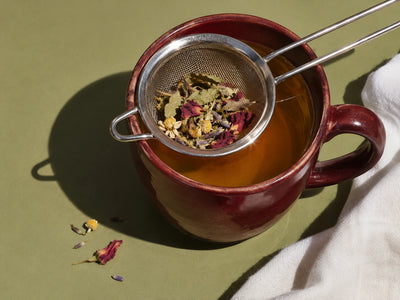
Avena sativa is simply the Latin name for the common oat plant. In herbal medicine, "oat straw" usually refers to the stalks and leaves harvested while the plant is still unripe (sometimes called "green oats" or "milky oat"), while the seed itself is what ends up as the oats in your breakfast bowl. Both forms come from the same plant, but they're used differently.
Herbalists have used oat straw for centuries as what's traditionally called a "nervine," a plant historically associated with supporting the nervous system during periods of stress or fatigue. That traditional use is exactly that: traditional. It's not the same as a modern clinical claim, and any supplement brand that tells you oat straw will calm your anxiety or balance your hormones outright is overselling what the evidence can back up.
Nutritionally, oats (in all their forms) contribute fibre, particularly the soluble fibre beta-glucan, along with B vitamins, magnesium, zinc and iron. These are nutrients that play a generally understood role in normal energy metabolism and nervous system function, which is likely why oat-derived ingredients keep showing up in supplements aimed at women managing fatigue, stress or hormonal fluctuations.

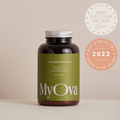
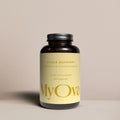
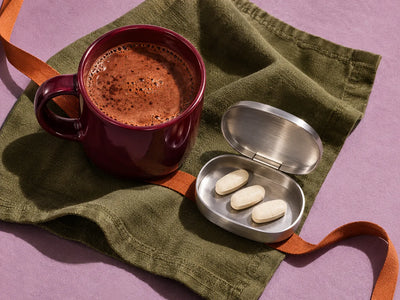
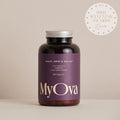
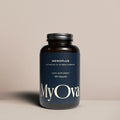
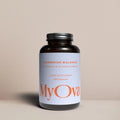
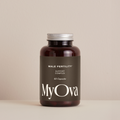
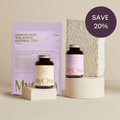
A myo-inositol and ashwagandha capsule that also includes avena sativa, formulated for everyday stress resilience and steady energy alongside hormonal support.
What Are the Potential Benefits of Avena Sativa?
Oats may support steady energy and a settled nervous system, though most robust evidence relates to whole oats, not oat straw extracts specifically.
Here's where it's important to slow down and separate what's well established from what's still being studied. The table below breaks it down honestly, because you deserve to know the difference between "backed by decades of nutrition science" and "one small preliminary study."
| Potential benefit | What it relates to | Evidence strength |
|---|---|---|
| Fibre (beta-glucan) content | Normal digestion, satiety and general gut function | Well established (whole oats, wider nutrition research) |
| B vitamins, magnesium, zinc | Normal energy-yielding metabolism and nervous system function | Well established (general nutrient science) |
| Mood and cognitive performance under stress | One small human trial on green oat (avena sativa) extract | Preliminary, single randomised controlled trial [1] |
| Avenanthramides (antioxidant compounds) | General antioxidant and anti-inflammatory activity | Emerging, largely preclinical and laboratory research |
| Traditional "nervine" use of oat straw | Historical use for calm and rest | Traditional use only, minimal modern trials |
| PCOS-specific hormonal outcomes | Isolated avenanthramides tested in a rat model of PCOS | Minimal, preclinical/animal only [2] |
The one human study worth mentioning in detail is a randomised, double-blind, placebo-controlled trial that looked at a standardised green oat (avena sativa) extract and its effect on mood and cognitive performance in healthy adults under a laboratory stressor. It found some improvements in self-reported mood and performance on cognitive tasks during acute stress. That's a genuinely interesting result. But it was one study, in healthy adults generally, not people managing PCOS, endometriosis or perimenopause specifically, and it used a particular standardised extract rather than "oat straw" as a general category. [1]
If you're weighing up avena sativa against other options for hormonal support, it sits within a much wider landscape of nutritional supplements women reach for when managing PCOS symptoms, many of which have a considerably stronger and more condition-specific evidence base, like myo-inositol.
Is There Evidence for Avena Sativa and PCOS Specifically?
Direct evidence is limited to one preliminary rat study; there's no robust human trial testing avena sativa for PCOS specifically.
Let's be straight with you, because this is exactly the kind of question the wellness internet loves to fudge. The research on this is actually pretty clear: when it comes to avena sativa and PCOS specifically, the evidence base is thin.
The most relevant study currently available looked at avenanthramides (a specific group of compounds derived from avena sativa, not oat straw as a whole) in a letrozole-induced rat model of PCOS. Letrozole is a drug researchers use to trigger PCOS-like changes in animals for study purposes. The researchers found that these compounds appeared to affect a specific inflammatory pathway (12-lipoxygenase activity and related fatty acid metabolites) in the ovarian tissue of the rats. [2]
That's a legitimate and interesting early finding. It is not the same as proof that avena sativa, in supplement form, does anything measurable for a woman's PCOS. Animal models don't always translate to humans, isolated compounds don't behave the same way as whole herbal extracts, and to date there is no published human clinical trial testing avena sativa specifically in women with PCOS. If a product claims otherwise, that claim is getting ahead of the science.
What does have a more established connection to hormone regulation and metabolic health in PCOS is myo-inositol, which is why it's the ingredient behind formulations like MyOva's own range, rather than oat straw. Your diagnosis is a starting point, not a verdict, and choosing what goes into your routine deserves the same level of scrutiny you'd want from your GP.
What Are the Side Effects and Risks of Avena Sativa?
Oat-based supplements are generally well tolerated, but can cause digestive upset and matter for coeliac disease or grain sensitivity.
Avena sativa is generally considered well tolerated when taken as a food supplement, at sensible doses, by healthy adults. That said, "generally well tolerated" isn't the same as "risk free for everyone," so here's what to actually watch for.
- Digestive symptoms. Bloating, gas or mild stomach upset can happen, particularly if you increase fibre intake quickly or take a higher dose than your gut is used to.
- Gluten cross-contact. Oats are naturally gluten-free, but they're frequently grown, harvested or processed alongside wheat, barley and rye. If you have coeliac disease or a diagnosed gluten sensitivity, only use products explicitly labelled "gluten-free oats" and check with your GP or a registered dietitian first.
- Allergic reaction. True oat allergy is uncommon but possible. Stop use and seek medical advice if you notice a rash, swelling, itching or breathing difficulty after taking any oat-based product.
- Blood sugar and blood-thinning medication. Because oats can have a mild effect on blood glucose and there's limited data on interactions with medication, anyone on diabetes medication or blood thinners should check with a pharmacist or GP before starting a concentrated oat straw or avena sativa supplement.
- Limited safety data at high or long-term doses. Most of the research uses short trial periods and standardised extracts. Long-term, high-dose safety data specific to avena sativa supplements is limited, which is another reason to stick to labelled doses rather than assuming more is better.
As with any supplement, if you're pregnant, breastfeeding, managing a diagnosed health condition, or taking regular medication, speak to your GP or pharmacist before adding avena sativa (or any new supplement) to your routine.
How Do You Take Avena Sativa?
Avena sativa comes as tea, standardised extract capsules, tinctures or whole oat food products, each with different typical doses.
There's no single, universally agreed dose of avena sativa, partly because the research base is small and partly because it comes in genuinely different forms with different concentrations. Here's a general overview, but always follow the specific product label in front of you, since concentration varies significantly between brands.
| Form | Typical use | Notes |
|---|---|---|
| Oat straw tea or infusion | 1 to 3 cups daily, steeped from dried herb | Mild, grassy flavour; a low-commitment starting point |
| Standardised extract capsules or tablets | Follow the label, commonly in the 200 to 1000mg range | Look for third-party testing and a clearly stated extraction ratio |
| Liquid tincture | A few millilitres as directed on the product label | Usually alcohol-based; check for an alcohol-free version if needed |
| Whole oats, oat bran or porridge oats | As part of a varied daily diet | Different from oat straw supplements, but a genuinely useful fibre source |
A sensible approach with any new herbal supplement is to start at the lowest suggested dose, take it consistently for a few weeks, and pay attention to how you actually feel, rather than expecting an overnight shift. It's not a magic fix. But it gives your body what it's often missing when it comes to everyday fibre and micronutrient intake.
Because good sleep and a regulated nervous system matter so much for hormonal balance, it's also worth looking at your wider routine alongside any supplement, including how you're managing PCOS and sleep and your approach to day-to-day fatigue.

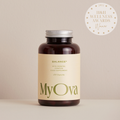
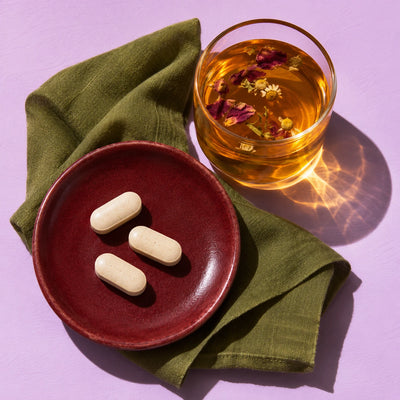
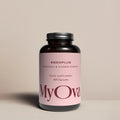
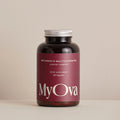
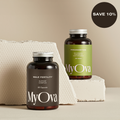
A myo-inositol complex food supplement, the hormonal metabolism ingredient with a considerably stronger PCOS-specific evidence base than avena sativa currently has.
Who Should Avoid Avena Sativa?
Anyone with coeliac disease, oat allergy, or who is pregnant, breastfeeding or on medication should get medical advice before taking it.
Most healthy adults can take avena sativa as a food supplement without issue, but it's not automatically right for everyone. You should check with your GP or pharmacist first, or avoid it altogether, if any of the following apply to you:
- You have coeliac disease or a diagnosed gluten or grain sensitivity, unless the product is specifically certified gluten-free.
- You have a known allergy to oats or other grains.
- You're pregnant or breastfeeding. There isn't enough safety data on concentrated avena sativa extracts in pregnancy and breastfeeding to confirm it's appropriate, so this one is a firm "ask your midwife or GP first."
- You're on regular medication, particularly for blood sugar or blood clotting, where an interaction hasn't been ruled out.
- You're managing a diagnosed hormonal or reproductive health condition and want to introduce a new supplement alongside existing treatment. Your care team should know what you're taking, full stop.
You're not imagining it if you feel like there's an overwhelming amount of conflicting advice out there about which "natural" ingredient will help. Hormonal literacy isn't complicated, it's just rarely taught, and part of that literacy is knowing when a supplement is genuinely well studied versus when it's riding the coattails of a much bigger, unrelated body of oat research.
Frequently Asked Questions
Is avena sativa the same as oats you eat for breakfast?
Not exactly. Avena sativa is the botanical name for the whole oat plant. Oat straw supplements typically use the stalks and leaves, harvested while the plant is still green, while porridge oats come from the ripened seed. Both come from the same plant but are prepared and used differently.
Can avena sativa help balance hormones?
There's no robust clinical evidence that avena sativa supplements balance hormones in humans. Some preliminary, mostly preclinical research on isolated compounds within avena sativa is being explored, but it hasn't been established as a hormone-regulating supplement, and no supplement should be marketed as one.
How long does it take for avena sativa to work?
There's no established timeline, largely because the human research is so limited. In the one relevant human trial, effects on mood and cognitive performance under stress were measured within a single session and over a few weeks of daily use. If you try it, give it several weeks and track how you feel rather than expecting a quick shift.
Is avena sativa safe to take every day?
For most healthy adults, oat-based food supplements taken at labelled doses are generally considered well tolerated for regular use. Long-term, high-dose safety data specific to concentrated avena sativa extracts is still limited, so stick to the dose on the label and check with a pharmacist if you're taking it alongside medication.
Does avena sativa interact with any medications?
Data on specific drug interactions is limited, but because oats can have a mild effect on blood glucose, anyone on diabetes medication, blood thinners, or other regular prescriptions should check with their GP or pharmacist before starting it.
Conclusion
Avena sativa is a genuinely interesting plant with a solid, well-established nutritional profile from whole oats, and some early, honest-to-goodness promising research on standardised extracts for mood and stress resilience. What it isn't, yet, is a proven, PCOS-specific hormonal solution. Your diagnosis is a starting point, not a verdict, and the same goes for any single ingredient you're considering adding to your routine. Read the label, know the evidence, check with your GP if you're unsure, and choose supplements built around ingredients with an evidence base that actually matches what you're trying to support.
Want the research, minus the guesswork?
Join the MyOva list for straight-talking hormone health guidance, honest ingredient breakdowns and first access to new launches.
Join the List →Free UK shipping on orders of £50 and over.
Further Reading
- Alternative Supplements to Help Manage Your PCOS
- PCOS Stress Management
- How to Calm Anxiety Naturally
- PCOS and Mental Health
References
- White DJ, et al. Acute and Chronic Effects of Green Oat (Avena sativa) Extract on Cognitive Function and Mood during a Laboratory Stressor in Healthy Adults: A Randomised, Double-Blind, Placebo-Controlled Study. Available via PubMed Central: pmc.ncbi.nlm.nih.gov/articles/PMC7352613
- Avena sativa-derived avenanthramides suppress 12-lipoxygenase activity and downstream arachidonic acid metabolites in letrozole-induced PCOS rats. Available via PubMed Central: pmc.ncbi.nlm.nih.gov/articles/PMC13287617
Discover your perfect product in under a minute!
References