

















PMOS (PCOS) Desserts: What the Research Shows
You're not imagining it. The internet treats dessert and PMOS (PCOS) like they can't be in the same sentence. Cut sugar completely, some accounts insist, or your hormones will never behave. That's not realistic, and it's not what the evidence actually supports either.
A quick note on names: PCOS has been renamed PMOS (polyendocrine metabolic ovarian syndrome), and the NHS now uses the new name. We use both here while the change settles in. Here is what the rename means for you.
Here's what I wish someone had told me: dessert isn't the enemy. Your diagnosis is a starting point, not a verdict, and the same goes for a bowl of chocolate pudding. The question isn't whether you're "allowed" dessert, it's what to build it around so it works with your blood sugar rather than against it.
Short answer: a PCOS-friendly dessert leans on fibre, protein, or healthy fat to slow how quickly it raises your blood sugar, uses natural sweeteners in moderate amounts rather than refined sugar, and gets treated as a normal part of eating rather than something to earn or avoid.
Can You Eat Dessert with PMOS (PCOS)?
Short answer: yes. What matters more than avoiding dessert altogether is what it's built around and how often it's the only thing on your plate at once.
Insulin resistance is one of the drivers behind PCOS symptoms for many women, and refined sugar eaten on its own, with nothing to slow it down, produces a sharper blood sugar spike than the same sugar eaten alongside fibre, protein, or fat. That's basic nutrition physiology, not PCOS-specific magic, but it's genuinely useful here. A dessert built around nuts, seeds, yogurt, or fruit gives you natural sweetness with something to blunt the spike built right in.
None of this means counting every gram or treating a slice of birthday cake as a crisis. It means most of the desserts you reach for day to day can lean toward the ingredients below, while the occasional plain treat stays exactly that, occasional.
Timing matters too, though it's a smaller lever than what the dessert is actually made of. Eating dessert straight after a balanced meal, rather than on an empty stomach mid-afternoon, means there's already protein and fibre in your system slowing things down. That's a simple, low-effort way to get some of the same benefit without changing the recipe at all.

What Makes a Dessert PCOS-Friendly?
Short answer: fibre, protein, or healthy fat alongside the sweetness, natural sweeteners used sparingly rather than refined sugar, and a portion that's satisfying rather than enormous.
Fibre. Chia seeds, oats, berries, and nuts are mostly fibre by weight. Fibre slows how quickly the carbohydrates around it are absorbed, which softens the blood sugar curve compared with the same sweetness eaten alone.
Protein. Greek yogurt, eggs, and nut butters add staying power and slow digestion, which is part of why a yogurt-based dessert tends to feel more satisfying than an equivalent amount of sugar alone.
Healthy fats. Avocado, coconut, nuts, and dark chocolate add richness and slow gastric emptying, both of which help a dessert feel like enough.
Natural sweeteners, used sparingly. Maple syrup, honey, and dates still raise blood sugar, they're not a free pass just because they're not refined sugar. The recipes below use small amounts alongside fibre, protein, or fat, rather than relying on sweetness alone.

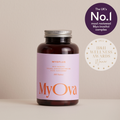
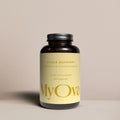
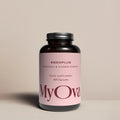
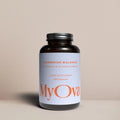
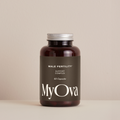
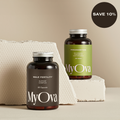
2000mg myo-inositol plus chromium, which contributes to normal blood sugar regulation, and B6 for normal hormonal activity.
Our Favourite PCOS-Friendly Desserts
Short answer: a mix of make-ahead, no-bake, and baked options, all built around fibre, protein, or healthy fat rather than sugar alone.
We've written full recipes for a few of our long-time favourites already, and we're adding five new ones below to round this out properly.
Berry Chia Seed Pudding
Chia seeds are mostly fibre by weight, and fibre slows digestion and softens the blood sugar rise that follows a sweet dessert. This one sets itself in the fridge overnight, so it's genuinely low effort.
Ingredients (serves 2):
- 2 cups unsweetened almond or coconut milk
- 1/3 cup chia seeds
- 1 to 2 tbsp maple syrup or honey
- 1/2 to 1 cup mixed berries, plus extra to serve
Method:
- Combine the milk, chia seeds, sweetener, and berries in a bowl and mix well.
- Cover and chill in the fridge for at least 4 hours, or overnight.
- Stir before serving and top with extra berries.
Flourless Chocolate Avocado Brownies
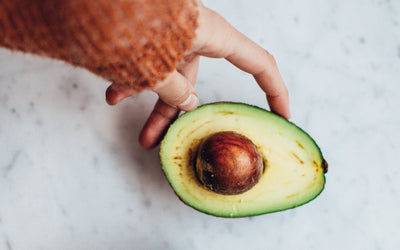
Avocado brings healthy fat and fibre in place of most of the flour and butter in a standard brownie, and the result is genuinely rich rather than a compromise.
Ingredients (makes 9):
- 1 ripe avocado
- 1/2 cup unsweetened cacao powder
- 1/2 cup almond flour
- 1/3 cup maple syrup
- 2 large eggs
- 1 tsp vanilla extract
Method:
- Preheat the oven to 180°C (350°F) and line a small baking tin.
- Mash the avocado in a bowl until smooth.
- Stir in the cacao powder, almond flour, maple syrup, eggs, and vanilla extract until well combined.
- Pour into the tin and bake for 20 to 25 minutes.
- Cool before slicing into 9 squares.
Coconut Yogurt Parfait
A five-minute layered dessert where coconut yogurt brings some healthy fat and the nuts add a source of protein and crunch.
Ingredients (serves 1):
- 1 cup unsweetened coconut yogurt (or dairy-free yogurt of choice)
- 1/2 cup mixed berries
- 1/4 cup chopped nuts (almonds, walnuts, or pecans)
- 1 to 2 tsp maple syrup or honey
Method:
- Spoon a layer of yogurt into a glass or bowl.
- Add a layer of berries and nuts.
- Repeat the layers, finishing with a drizzle of sweetener on top.
Baked Cinnamon Apple Crisp
A warm, oat-topped dessert that leans on fibre from the apples and oats rather than a traditional pastry topping.
Ingredients (serves 4):
- 4 to 5 medium apples, cored and sliced
- 1/2 cup almond flour
- 1/2 cup rolled oats
- 1/4 cup maple syrup
- 1/4 cup melted coconut oil
- 1 tsp cinnamon
- Pinch of salt
Method:
- Preheat the oven to 180°C (350°F).
- Mix the almond flour, oats, cinnamon, and salt in a bowl.
- In a separate bowl, mix the maple syrup and melted coconut oil, then toss the sliced apples through it.
- Transfer the apples to a greased baking dish and scatter the oat mixture over the top.
- Bake for about 30 minutes, until golden and bubbling. Serve warm.
Vanilla Matcha Chia Popsicles
A frozen treat with fibre from the chia seeds and a gentle lift from the matcha, sweetened lightly rather than heavily.
Ingredients (makes 4 to 6, depending on mould size):
- 1/2 cup canned coconut milk
- 1/2 cup unsweetened almond milk
- 2 tbsp chia seeds
- 1 tsp vanilla extract
- 1/2 to 1 tsp matcha powder
- 1 to 2 tbsp maple syrup or honey
Method:
- Whisk all the ingredients together in a bowl, or blend briefly.
- Pour into popsicle moulds.
- Freeze overnight, until completely solid.
Peanut Butter Protein Cookies
A three-ingredient cookie base where the peanut butter and egg bring protein along with the sweetness.
Ingredients (makes 10 to 12):
- 1 cup natural peanut butter
- 1/3 cup honey or maple syrup
- 1 large egg
- 1/2 tsp baking soda
- Pinch of salt
Method:
- Preheat the oven to 180°C (350°F) and line a baking tray.
- Mix the peanut butter, honey, egg, baking soda, and salt into a smooth dough.
- Roll into 10 to 12 balls and flatten slightly with a fork.
- Bake for 8 to 10 minutes, until just set. They'll firm up further as they cool.
Dark Chocolate and Almond Bark
A five-minute treat where a good-quality dark chocolate and almonds do most of the work, portioned into small squares.
Ingredients (makes about 12 pieces):
- 150g dark chocolate (70% cocoa or higher), roughly chopped
- 40g almonds, roughly chopped
- 1 tbsp mixed seeds (pumpkin or sunflower)
- Pinch of sea salt
Method:
- Melt the chocolate gently in a heatproof bowl over a pan of simmering water, or in short bursts in the microwave.
- Pour onto a lined baking tray and spread into an even layer.
- Scatter over the almonds, seeds, and sea salt.
- Chill in the fridge for at least 30 minutes, then break into pieces.
Baked Pears with Walnuts and Cinnamon
A simple oven dessert for cooler evenings, with walnuts adding healthy fat and a bit of crunch to the softened pear.
Ingredients (serves 2):
- 2 ripe pears, halved and cored
- 20g walnuts, roughly chopped
- 1 tsp cinnamon
- 1 tbsp maple syrup
- 1 tsp coconut oil, melted
Method:
- Preheat the oven to 190°C (375°F).
- Place the pear halves cut-side up in a baking dish.
- Mix the walnuts, cinnamon, maple syrup, and coconut oil, and spoon over the pears.
- Bake for 20 to 25 minutes, until the pears are tender.
No-Bake Oat and Date Energy Bites
A make-ahead option where dates provide the sweetness alongside genuine fibre from the oats, rather than refined sugar.
Ingredients (makes about 12):
- 150g pitted dates, soaked in warm water for 10 minutes and drained
- 150g rolled oats
- 2 tbsp almond butter or peanut butter
- 1 tbsp chia seeds
- 1 tsp vanilla extract
Method:
- Blend the dates, oats, nut butter, chia seeds, and vanilla extract in a food processor until it forms a sticky dough.
- Roll into 12 small balls.
- Chill in the fridge for at least 30 minutes before serving. Store in the fridge for up to a week.

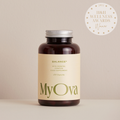
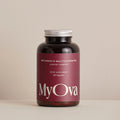
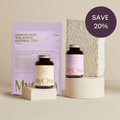
4000mg myo-inositol with chromium, which contributes to normal blood sugar regulation, and folate and B6 for normal hormonal activity.
What About Sugar Cravings?
Short answer: cravings are often a blood sugar signal rather than a willpower problem, and they tend to ease when meals earlier in the day include enough protein and fibre.
A sharp blood sugar drop a couple of hours after a carbohydrate-heavy meal is a common trigger for a strong sweet craving. Building your main meals around the same protein, fibre, and healthy fat principles as the desserts above tends to reduce how often those crashes happen in the first place, which is often more effective than trying to white-knuckle your way past a craving once it's already there.
Sleep and stress play a part as well. Poor sleep is linked to stronger next-day cravings for sweet, energy-dense food in general population research, and a stressful day tends to make a small treat feel like it's doing more emotional work than just satisfying hunger. Neither of those is a reason to feel guilty about reaching for something sweet. They're just worth noticing if cravings feel unusually intense or frequent, since the fix might have more to do with your evening routine than your dessert recipes.
How to Build Your Own PCOS-Friendly Dessert
Short answer: start with a base of fibre, protein, or healthy fat, add a small amount of natural sweetener, and treat the portion as satisfying rather than unlimited.
Choose a base. Greek yogurt, chia seeds, oats, nuts, or avocado all work well as a foundation.
Add natural sweetness, sparingly. A tablespoon or two of maple syrup, honey, or dates is usually enough. Fruit adds sweetness too, along with its own fibre.
Bring in texture and healthy fat. Nuts, seeds, or a square of dark chocolate finish most of these desserts nicely.
Portion it deliberately. A small bowl or a couple of squares, eaten and enjoyed, tends to be more satisfying than a large amount eaten quickly.
Frequently Asked Questions
Can you eat dessert with PCOS?
Yes. What matters more is what the dessert is built around, fibre, protein, or healthy fat alongside the sweetness tends to be more useful than avoiding dessert altogether.
What sweeteners are best for PCOS-friendly desserts?
Maple syrup, honey, and dates in small amounts, used alongside fibre or protein rather than on their own. They still raise blood sugar, so portion matters more than the specific sweetener.
Are these desserts sugar-free?
No, and they're not meant to be. They use smaller amounts of natural sweeteners alongside ingredients that slow the resulting blood sugar rise, rather than eliminating sugar entirely.
Why do I get sugar cravings with PCOS?
Cravings are often linked to a blood sugar drop after an earlier carbohydrate-heavy meal. Building meals around protein and fibre earlier in the day tends to reduce how often strong cravings show up.
Can I make these desserts ahead of time?
Most of them, yes. The chia pudding, energy bites, chocolate bark, and popsicles are all designed to be made in advance and kept in the fridge or freezer.
Does the timing of dessert matter for PCOS?
It can help a little. Eating dessert after a balanced meal, rather than alone on an empty stomach, means there's already protein and fibre in your system to help slow the resulting blood sugar rise.
Final Thoughts
Root cause, not symptom suppression, applies here too. Dessert isn't something to earn through the rest of the day's eating, and it isn't something PCOS means you have to give up. Building it around fibre, protein, or healthy fat, and using natural sweeteners in sensible amounts, gets you something that's genuinely satisfying rather than a compromise.
Pick two or three of the recipes above that fit how you actually eat, and let that be enough.
Related Reading
- The PCOS Diet Plan: What to Eat to Balance Your Hormones
- PCOS Breakfast: What the Research Actually Shows
- PCOS Dinner Recipes: What the Research Shows
- PCOS Fatigue: What the Research Actually Shows
This article is for informational purposes only and is not a substitute for professional medical advice, diagnosis, or treatment. Always seek the advice of your GP, a registered dietitian, or another qualified healthcare provider with any questions you may have regarding a medical condition or before making significant changes to your diet.

Leila Martyn
Leila is the founder of MyOva, a women's wellness brand specialising in natural hormonal health and PCOS support. Drawing on lived experience and scientific research, Leila shares trusted, evidence-based guidance to help women understand their hormones, support cycle balance, and feel supported in their health journey.
Discover your perfect product in under a minute!
References