
















Preparing for IVF With PMOS (PCOS): What the Research Says
Nobody hands you a roadmap when you get to this point. You've had the diagnosis, you've done the research, and you've probably sat through a few waiting rooms feeling like a case file. Now you're preparing for IVF with PMOS (PCOS) still in the mix. You're not imagining it: it does add a few extra things to think about.
Here's the useful part. In most studies, PMOS (PCOS) doesn't lower the chance of a live birth from IVF. It does raise the risk of miscarriage and of a complication called OHSS, and most of the plan for managing both sits with your clinic. What's left for you is the groundwork: what to ask, what to take, how to eat, and how to look after your head. This guide covers all of that, plus the claims we've deliberately left out because the evidence doesn't back them up.
It's not a magic fix list. Your diagnosis is a starting point, not a verdict, and a clear plan beats a long supplement shelf every time. If you'd like the wider picture first, our guides to egg quality and insulin resistance sit alongside this one.

In this guide:
- Does PMOS (PCOS) make IVF harder?
- What is OHSS, and should you worry about it?
- How does insulin resistance affect IVF outcomes?
- Does myo-inositol help before IVF?
- How long before IVF should you start preparing?
- Folic acid or 5-MTHF: which should you take?
- Does stress affect IVF success?
- Does your partner's fertility matter?
- What should you eat before IVF?
- Frequently asked questions
New to MyOva? Join our mailing list for straight-talking hormone guides in your inbox. Trying to conceive? Start with ovulation symptoms, then read how to get pregnant.
Does PMOS (PCOS) Make IVF Harder?
In short: PMOS (PCOS) doesn't lower live birth rates per IVF cycle in most studies, but it raises the risk of miscarriage and OHSS, so planning matters.
PCOS has been renamed PMOS (polyendocrine metabolic ovarian syndrome). You may have been told your route to a baby will be longer, and that can be true when it comes to getting an egg to release. Once you're in an IVF cycle, the picture is more reassuring.
A meta-analysis of 21 studies comparing IVF in women with and without PMOS (PCOS) found no significant difference in live birth per cycle (relative risk 1.01, 95% CI 0.89 to 1.16). Live birth after the first cycle was slightly lower (RR 0.93, 0.88 to 0.99). Women with PMOS (PCOS) had more eggs retrieved, but also a higher risk of miscarriage (RR 2.90, 2.09 to 4.02) and of ovarian hyperstimulation syndrome (RR 3.42, 2.28 to 5.13) [1]. The results varied a lot between studies, so treat the numbers as a guide, not a promise.
In short, you're not starting from behind, but you do need a clinic that knows your diagnosis and plans for it. Draft NICE guidance on PMOS (PCOS) says women with the condition should be offered IVF if they meet the usual access criteria, and that letrozole is the first-line medicine for ovulation induction when you aren't ovulating [2].
The hormone education you were never given
Clear, evidence-led emails from our founder Leila, plus 20% off your first order.*
Count me in →*New customers only. Can’t be combined with any other offer or bundles on our website.*New customers only. Not valid with other offers or bundles.
What Is OHSS, and Should You Worry About It?
In short: OHSS is an over-reaction to stimulation drugs. PMOS (PCOS) raises the risk, but protocol choices such as freeze-all cut it substantially.
Ovarian hyperstimulation syndrome (OHSS) happens when the ovaries respond too strongly to fertility drugs. Most cases are mild, but severe cases need hospital care. PMOS (PCOS) ovaries often hold lots of small follicles, so they can be more reactive.
How common is it? A 2025 review put mild-to-severe OHSS in PMOS (PCOS) as high as 17 to 31%, but those figures come from older protocols that used an hCG trigger, so they probably overstate today's risk [3]. There isn't a single reliable rate, because it depends on the protocol, the trigger and how you respond. That's exactly why the choices below matter.
| Option | What the evidence says | Worth knowing |
|---|---|---|
| Antagonist protocol | The 2023 international guideline says it can't be recommended over the long agonist protocol for better pregnancy or live birth, but it's recommended in PMOS (PCOS) because it allows an agonist trigger and freezing all embryos, which reduces significant OHSS without harming cumulative live birth [4]. A meta-analysis of 10 trials in PMOS (PCOS) found lower OHSS (OR 0.58, 95% CI 0.44 to 0.77), as relayed in the 2025 review [3]. | Your clinic chooses the protocol. Ask which one they plan to use and why. |
| Agonist trigger and freeze-all | The guideline says to trigger with a GnRH agonist and freeze all suitable embryos when a fresh transfer isn't planned or OHSS risk is raised [4]. In a trial of 1,508 women with PMOS (PCOS), moderate-to-severe OHSS was 1.3% with frozen transfer against 7.1% with fresh transfer [5]. | A frozen transfer means a short wait, but not a longer overall timeline for most people. |
| Metformin | The guideline says metformin could be used before and during stimulation in long agonist cycles to reduce OHSS and miscarriage. A 2025 review says it shows no benefit, and possible harm, in antagonist cycles [4, 3]. | It's a clinic decision. Don't start or stop it on your own. |
One more honest detail on frozen transfers. In that same trial, live birth after the first transfer was 49.3% with frozen embryos against 42.0% with fresh (RR 1.17, 1.05 to 1.31), and pregnancy loss was lower (22.0% against 32.7%). But pre-eclampsia was higher with frozen transfer (4.4% against 1.4%), and five neonatal deaths occurred in the frozen group against none in the fresh group, a difference that wasn't statistically significant [5]. Freeze-all suits many women with PMOS (PCOS), but it has trade-offs your clinic should explain.
Your part is knowing the warning signs. Your clinic will tell you which symptoms mean you should call them. Don't wait it out if something feels wrong. Our guide to advocating for yourself covers how to be heard in appointments.
How Does Insulin Resistance Affect IVF Outcomes in PMOS (PCOS)?
In short: Insulin resistance is linked to fewer mature eggs and more early miscarriage in IVF studies, but these are observational and prove association only.
Insulin does more than manage blood sugar. In the ovary it acts on the cells around developing follicles, and when it's high for long periods it can push androgen production up. Insulin resistance is common in PMOS (PCOS), though not universal, and it shows up in IVF data too.
A 2024 meta-analysis of women with PMOS (PCOS) undergoing IVF or ICSI (6,137 women) found that those with insulin resistance had a lower clinical pregnancy rate (OR 0.77, 95% CI 0.59 to 0.99), more spontaneous abortions (OR 1.11, 1.02 to 1.22), and fewer mature (MII) eggs (mean difference -1.07, -1.54 to -0.59), as relayed by a later paper that cited it [6]. A separate retrospective study of 2,055 women in their first fresh IVF cycle found that higher HOMA-IR (a measure of insulin resistance) was linked to lower ovarian sensitivity to stimulation, with a stronger effect in lean women, and to a higher risk of early miscarriage (OR 2.21, 1.13 to 4.33). It found no significant effect on pregnancy or live birth rates [7].
Two cautions. The miscarriage effect in the first study is small, and the second is a single-centre retrospective cohort. Both show association. We didn't find a trial showing that treating insulin resistance changes your IVF result, so we won't promise it.
What's reasonable, then? Looking after your blood sugar is low-risk and good for your health whatever happens in the clinic. That means regular meals with protein and fibre, movement you can keep up (strength work counts), and protecting your sleep. Our guide to blood sugar balance covers the basics. And ask your GP or clinic which baseline tests make sense for you, such as blood glucose or HbA1c, rather than guessing.
Does Myo-Inositol Help Before IVF?
In short: The evidence is too uncertain to say. Cochrane found no clear benefit, and guidelines call inositol experimental or ineffective for fertility.
Let's be upfront: MyOva sells a myo-inositol supplement, so we have a stake in this question. That's why we're giving you the full picture, including the parts that don't flatter us. Hormonal literacy isn't complicated, it's just rarely taught.
The strongest summary is a Cochrane review of 13 trials (1,472 women), most of them looking at inositol before IVF or ICSI. Compared with standard treatment, the live birth result was uncertain (OR 2.42, 95% CI 0.75 to 7.83, from 2 trials and 84 women), as was clinical pregnancy (OR 1.27, 0.87 to 1.85, from 4 trials). The reviewers rated that evidence at the lowest certainty grade. A lower miscarriage rate (OR 0.40, 0.19 to 0.86) came almost entirely from one trial and disappeared when it was excluded. Their conclusion: the evidence is too uncertain to say whether myo-inositol improves live birth or pregnancy [8].
A 2024 review for the international PMOS (PCOS) guideline pooled 30 trials and concluded that evidence for inositol in PMOS (PCOS) is "limited and inconclusive" [9]. The 2023 guideline itself says inositol, in any form, "should be considered experimental" for infertility [4]. And draft NICE guidance goes further: it says to advise that inositol is not effective for fertility problems [2].
What about the more positive studies? A small 2016 trial of 29 women found more fertilisation and more top-grade embryos after 4,000 mg a day for two months before IVF, but no clear difference in FSH dose and no pregnancy or live birth results. One of its authors declared he was an employee of Exeltis Germany [10]. A 2021 narrative review concluded that 4 g a day was effective for ovarian function and embryo quality, while calling for large trials of pregnancy and live birth [11]. A 2020 review of nine articles found a trend towards better embryo quality but said statistical evidence was lacking [12].
So where does that leave you? Inositol isn't a proven IVF aid, and we won't pretend it is. Some women with PMOS (PCOS) still choose to take it, often for metabolic reasons. If you do, tell your clinic, and don't treat it as a substitute for anything they've advised. You can read more in our deeper dive on myo-inositol in fertility treatments.
How Long Before IVF Should You Start Preparing?
In short: Three months is a sensible planning window, not a proven one: no trial shows that preparing beforehand changes IVF results.
You'll often hear that eggs take 90 days to mature, so you need three months of preparation. The reality is more nuanced. The "three months" figure refers to the final growth phase, often put at about 85 days. The whole process from a dormant follicle to ovulation takes nearly a year [13]. So "about three months for the final stretch" is defensible. "Egg development takes three months" isn't.
And we didn't find any trial showing that three months of preparation improves IVF outcomes. Treat three months as a plausible, low-risk window, not a guaranteed lever. If you have less time, that's fine. Start with what's easy.
Here's a practical order of play:
- Tell your clinic about everything you take. That includes supplements, herbal products and any medicines such as metformin.
- Start folic acid. The usual advice is 400 micrograms a day while trying to conceive, with a higher dose on prescription for some women (see below).
- Ask about baseline checks. Your clinic will do its own tests. Ask whether your blood glucose, thyroid function and vitamin D need looking at.
- Look at alcohol and smoking. NICE's 2013 fertility guidance says smoking is likely to reduce fertility in women [14], and the safest alcohol advice when trying to conceive is none.
- Check the weight rules in your area. NICE's new fertility guideline (March 2026) sets no BMI threshold for IVF, but says a BMI of 30 or more is likely to mean it takes longer to conceive [15]. Most local NHS commissioners apply their own BMI range, often 19 to 30 [16], so check yours.
On alcohol, NICE's 2013 guidance suggested keeping it low, but current UK advice for pregnancy is that not drinking is safest, so aiming for none is reasonable. On caffeine, NICE said it's not clear whether there's a link with fertility [14].
Find your formula in 60 secondsAnswer a few quick questions and we’ll match you to the right support for where you are right now,. plusPlus 20% off your first order.Find my formula →
Folic Acid or 5-MTHF: Which Should You Take?
In short: Take folic acid, 400 micrograms daily, while trying to conceive. Nothing authoritative shows 5-MTHF is better, so ask your GP before swapping.
We're correcting something here. An earlier version of this article implied that 5-MTHF, the active form of folate, beats folic acid, especially with an MTHFR gene variant. We can't back that up, so we've removed it.
Here's what the sources say. The usual advice is 400 micrograms of folic acid a day while trying to conceive and until week 12 of pregnancy, and 5 mg on prescription if your BMI is over 30 or you have diabetes [17]. That's guidance from NHS Dumfries and Galloway; check with your GP or clinic for the advice that applies where you live. The American College of Medical Genetics says MTHFR genotyping shouldn't be ordered as part of testing for blood clots or recurrent pregnancy loss, and that your MTHFR status doesn't change the advice to take standard folic acid [18]. NHS Tayside Genetics doesn't offer MTHFR testing, and says substituting other folates such as 5-MTHF is not recommended for pregnant women with the variants [19].
In other words: if your GP has prescribed 5 mg of folic acid because of your BMI or diabetes, take that, not a supplement with a different form of folate. If you don't need the higher dose, a preconception supplement containing folate is one way to cover the 400 microgram advice, but check the amount on the label and ask your clinic first.

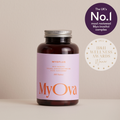
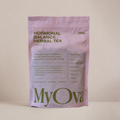
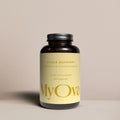
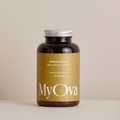
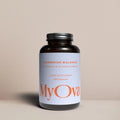
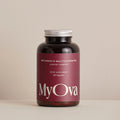
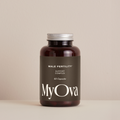
Myo-inositol (2,000 mg) with folate, which contributes to maternal tissue growth in pregnancy, zinc, which contributes to normal fertility and reproduction, and vitamin B6, which contributes to the regulation of hormonal activity. Four tablets a day.
Read this first. Preconception is a food supplement, not a treatment, and it isn't a substitute for any medicine or advice from your fertility clinic. It contains folate as 5-MTHF, not folic acid, so it's not a replacement for a prescribed 5 mg dose. As covered above, there's no good evidence that its myo-inositol improves IVF outcomes. It also isn't suitable to combine with some of our other formulas, so check the product page. Tell your clinic before you start, and check with your GP if you take other medicines.
Does Stress Affect IVF Success?
In short: Large reviews find no link between emotional distress before treatment and IVF pregnancy rates. Feeling stressed is not why a cycle fails.
"Just relax" is the least useful advice ever given to someone preparing for IVF, and the idea that stress might cause a failed cycle adds guilt to an already hard process. So what does the research say?
The best evidence for IVF itself is a 2011 BMJ meta-analysis of 14 prospective studies (3,583 women). Emotional distress before treatment was not associated with pregnancy after one cycle (standardised mean difference -0.04, 95% CI -0.11 to 0.03). The authors concluded that the findings should reassure women and doctors that distress isn't expected to compromise pregnancy chances [20].
There's a different finding in people trying to conceive without treatment. The LIFE study followed couples trying naturally, and women in the highest third of salivary alpha-amylase, a stress marker, had a lower chance of conceiving each cycle (adjusted odds ratio 0.71, 95% CI 0.51 to 1.00, borderline significant). There was no association for cortisol, and the authors said causality can't be inferred [21]. It's an interesting signal, but it's not about IVF, so we've stopped using it as if it were.
So why look after your stress at all? Because IVF is hard, and support makes it more bearable. A 2015 meta-analysis found that psychosocial interventions were linked to higher clinical pregnancy (RR 2.01, 95% CI 1.48 to 2.73), though the effect fell to 1.57 after adjusting for publication bias, and the authors called the evidence preliminary [22]. Take that as a reason to seek counselling or support if you need it, not as a promise it will improve your odds. Our guide to nervous system regulation is a good place to start.
Does Your Partner's Fertility Matter for IVF?
In short: Yes. Sperm quality, including DNA fragmentation, can affect fertilisation and embryos, but the evidence on supplements for men is inconclusive.
IVF is often framed as the woman's project, but male factors contribute to a large share of fertility problems, and estimates vary by source. During IVF, sperm quality affects more than whether fertilisation happens. It can also influence what the embryo does next.
A 2023 systematic review of sperm DNA fragmentation (SDF) found that in conventional IVF, higher SDF was linked to lower fertilisation, blastocyst rates and embryo quality, and a higher abortion rate. In ICSI cycles, it was linked to lower blastocyst production, embryo quality, implantation and live birth [23]. A 2006 study found that in ICSI patients, higher SDF was associated with differences in clinical pregnancy and pregnancy loss [24]. These are associations, not proof of cause.
Sperm development takes a few months, so the same planning window logically applies, though the exact timing is debated. Smoking and heavy drinking are worth addressing, and the clinic's semen analysis will show where you stand.
What about antioxidant supplements? A 2022 Cochrane review of 90 trials (10,303 men) found that antioxidants might raise live birth (OR 1.43, 95% CI 1.07 to 1.91) and clinical pregnancy (OR 1.89, 1.45 to 2.47). But the live birth finding rests on the lowest certainty grade, and it disappeared when high-risk-of-bias studies were excluded (OR 1.22, 0.85 to 1.75). Gut upset was more common (OR 2.70, 1.46 to 4.99). The reviewers' own conclusion was that the current evidence is inconclusive [25]. We found no HFEA statement endorsing supplements to improve IVF success, and the HFEA's treatment add-on ratings don't list antioxidants [26]. So it's a conversation to have with the clinic, not a given.
Here's the couples' option. For more detail, read our male fertility supplements guide.

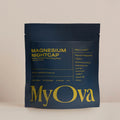
Preconception for her, plus a male formula for him containing zinc, which contributes to normal fertility and reproduction, and selenium, which contributes to normal spermatogenesis.
Same safety note as before: it's a food supplement, not a treatment, and it can't replace advice from your clinic. Check with your GP if either of you takes prescribed medication.
The hormone education you were never given
Clear, evidence-led emails from our founder Leila, plus 20% off your first order.*
Count me in →*New customers only. Can’t be combined with any other offer or bundles on our website.*New customers only. Not valid with other offers or bundles.
What Should You Eat Before IVF?
In short: A Mediterranean-style diet has preliminary but encouraging evidence for IVF outcomes. It's low-risk, steady-glucose eating you can actually keep up.
You don't need a ten-page meal plan, just a pattern you can live with. The most-studied one for fertility is Mediterranean-style eating: vegetables, fruit, pulses, wholegrains, fish, nuts and olive oil.
The evidence is early. A 2025 systematic review of 8 studies (2,979 participants) found that 4 reported significant links between Mediterranean diet adherence and better IVF outcomes, and 4 found none. The reviewers rated the evidence quality low, with 1 study lower still, and said causality can't be established [27]. A 2023 review found a higher chance of live birth or pregnancy with greater adherence (OR 1.91, 95% CI 1.14 to 3.19), but that rested on just 2 higher-quality studies, combined two outcomes, and the authors called it preliminary [28].
So the honest summary is: promising, not proven, and unlikely to do harm. What does it look like on a plate?
- Colour at most meals. Leafy greens, tomatoes, peppers and berries.
- Fish, including oily fish. Salmon, mackerel or sardines. Ask your clinic if you're unsure how much is right during treatment.
- Pulses and wholegrains over refined carbohydrates. Lentils, chickpeas, oats, quinoa. These keep blood sugar steadier.
- Olive oil as your main fat. Simple and easy to stick with.
- Protein at each meal. Eggs, fish, poultry or pulses help you feel full and keep glucose swings smaller.
This isn't a punishment diet, and you don't need to cut out entire food groups.

Frequently Asked Questions
Does PMOS (PCOS) lower IVF success?
Not per cycle, in most studies. A meta-analysis of 21 studies found no significant difference in live birth per cycle, but higher miscarriage and OHSS risk in women with PMOS (PCOS) [1].
Should I take myo-inositol before IVF?
There's no proven benefit. Cochrane rated the evidence as too uncertain to say, the international guideline calls inositol experimental for infertility, and draft NICE guidance says it isn't effective for fertility problems. If you choose to take it, tell your clinic [8, 4, 2].
Is folic acid or 5-MTHF better before IVF?
We found no authoritative source showing 5-MTHF is better. The usual advice is 400 micrograms of folic acid daily, with 5 mg on prescription for some women, so ask your GP or clinic which applies to you [17, 19].
Does stress cause IVF to fail?
The best evidence says no. A 2011 meta-analysis of 3,583 women found no link between distress before treatment and pregnancy after one cycle [20].
Can I take a supplement alongside IVF medication?
Only after checking with your clinic. They need to know everything you take during a cycle, including supplements and herbal products.
The Bottom Line
PMOS (PCOS) doesn't close the door on IVF. The biggest levers are on your clinic's side: the protocol, the trigger and whether to freeze embryos. Yours are the quieter ones: good questions, folic acid, steady eating, less alcohol, and care for your mental health. Everything else, including myo-inositol, is optional and unproven.
This is what I wish someone had told me: you can do this properly without believing every promise on the internet. Your body is trying to tell you something, and the best preparation is working with a team that listens. Your diagnosis is a starting point, not a verdict.
Related Reading
- PMOS (PCOS) and Egg Quality: What the Research Actually Shows
- The Role of Myo-Inositol in Fertility Treatments
- Male Fertility Supplements: A Complete Guide
- PMOS (PCOS) and Insulin Resistance: Understanding the Link
- Blood Sugar Balance: An Underrated Tool for Women's Hormone Health
- How to Improve Female Fertility: 6 Fertility-Promoting Habits
This article is for educational purposes only and does not constitute medical advice. Guidance details are accurate to the sources cited at the time of writing. MyOva products are food supplements, not medicines, and are not intended to diagnose, treat, cure or prevent any disease. Food supplements should not replace a varied diet. Always speak to your GP or fertility clinic before starting any supplement, especially if you are taking prescribed medication or are having fertility treatment.
References
- Tan IF, Lim AJR, Indran IR, Kramer MS, Yong EL. Reproductive outcomes of women with polycystic ovarian syndrome following in-vitro fertilization: a meta-analysis and systematic review. Fertil Reprod. 2019;1(4):193-201.
- National Institute for Health and Care Excellence. Polycystic ovary syndrome (PMOS): draft guideline for consultation (GID-NG10436). https://www.nice.org.uk/guidance/indevelopment/gid-ng10436
- Leathersich SJ, Roche CS, Hart RJ. Minimising OHSS in women with PCOS. Front Endocrinol. 2025;16:1507857. doi:10.3389/fendo.2025.1507857
- Teede HJ, Tay CT, Laven JJE, et al. Recommendations from the 2023 international evidence-based guideline for the assessment and management of polycystic ovary syndrome. Hum Reprod. 2023;38(9):1655-1679. doi:10.1093/humrep/dead156
- Chen ZJ, Shi Y, Sun Y, et al. Fresh versus frozen embryos for infertility in the polycystic ovary syndrome. N Engl J Med. 2016;375(6):523-533. doi:10.1056/NEJMoa1513873
- Li F, Qi JJ, Li LX, Yan TF. Impact of insulin resistance on IVF/ICSI outcomes in women with polycystic ovary syndrome: a systematic review and meta-analysis. Eur J Obstet Gynecol Reprod Biol. 2024;299:54-61.
- Luo Z, Wang L, Wang Y, Fan Y, Jiang L, Xu X, Du Y, Hao G. Impact of insulin resistance on ovarian sensitivity and pregnancy outcomes in patients with polycystic ovary syndrome undergoing IVF. J Clin Med. 2023;12(3):818. doi:10.3390/jcm12030818
- Showell MG, Mackenzie-Proctor R, Jordan V, Hodgson R, Farquhar C. Inositol for subfertile women with polycystic ovary syndrome. Cochrane Database Syst Rev. 2018;12:CD012378. doi:10.1002/14651858.CD012378.pub2
- Fitz V, Graca S, Mahalingaiah S, et al. Inositol for polycystic ovary syndrome: a systematic review and meta-analysis to inform the 2023 update of the international evidence-based PCOS guidelines. J Clin Endocrinol Metab. 2024;109(6):1630-1655. doi:10.1210/clinem/dgad762
- Lesoine B, Regidor PA. Prospective randomized study on the influence of myoinositol in PCOS women undergoing IVF in the improvement of oocyte quality, fertilization rate, and embryo quality. Int J Endocrinol. 2016;2016:4378507. doi:10.1155/2016/4378507
- Merviel P, James P, Bouée S, et al. Impact of myo-inositol treatment in women with polycystic ovary syndrome in assisted reproductive technologies. Reprod Health. 2021;18:13. doi:10.1186/s12978-021-01073-3
- Gupta D, Khan S, Islam M, Malik BH, Rutkofsky IH. Myo-inositol's role in assisted reproductive technology: evidence for improving the quality of oocytes and embryos in patients with polycystic ovary syndrome. Cureus. 2020;12(5):e8079. doi:10.7759/cureus.8079
- Williams CJ, Erickson GF. Morphology and physiology of the ovary. In: Endotext. 2012.
- National Institute for Health and Care Excellence. Fertility problems: assessment and treatment (CG156), 2013 (partly replaced by NG257). https://www.nice.org.uk/guidance/cg156
- National Institute for Health and Care Excellence. Fertility problems: assessment and treatment (NG257). Published 31 March 2026. https://www.nice.org.uk/guidance/ng257
- GOV.UK. NHS-funded in vitro fertilisation (IVF) in England. https://www.gov.uk/government/publications/nhs-funded-ivf-in-england/nhs-funded-in-vitro-fertilisation-ivf-in-england
- NHS Dumfries and Galloway. Folic acid supplements (preconception health). https://www.rightdecisions.scot.nhs.uk/dgrefhelp-nhs-dumfries-galloway/sexual-health/pregnancy-related/preconception-health/folic-acid-supplements
- Hickey SE, Curry CJ, Toriello HV. ACMG practice guideline: lack of evidence for MTHFR polymorphism testing. Genet Med. 2013;15(2):153-156.
- NHS Tayside Genetics. MTHFR variants and pregnancy: patient information.
- Boivin J, Griffiths E, Venetis CA. Emotional distress in infertile women and failure of assisted reproductive technologies: meta-analysis of prospective psychosocial studies. BMJ. 2011;342:d223. doi:10.1136/bmj.d223
- Lynch CD, Sundaram R, Maisog JM, Sweeney AM, Buck Louis GM. Preconception stress increases the risk of infertility: results from a couple-based prospective cohort study, the LIFE study. Hum Reprod. 2014;29(5):1067-1075. doi:10.1093/humrep/deu032
- Frederiksen Y, Farver-Vestergaard I, Skovgård NG, Ingerslev HJ, Zachariae R. Efficacy of psychosocial interventions for psychological and pregnancy outcomes in infertile women and men: a systematic review and meta-analysis. BMJ Open. 2015;5:e006592.
- Guedes MLL, de Moura G, Rocha YM, Rodrigues JPV, Monteiro P. Impact of sperm DNA fragmentation on the clinical outcome of assisted reproduction techniques: a systematic review of the last five years. JBRA Assist Reprod. 2023;27(2):281-291. doi:10.5935/1518-0557.20220057
- Borini A, Tarozzi N, Bizzaro D, et al. Sperm DNA fragmentation: paternal effect on early post-implantation embryo development in ART. Hum Reprod. 2006;21(11):2876-2881. doi:10.1093/humrep/del251
- de Ligny W, Smits RM, Mackenzie-Proctor R, et al. Antioxidants for male subfertility. Cochrane Database Syst Rev. 2022;5:CD007411.
- Human Fertilisation and Embryology Authority. Treatment add-ons. https://www.hfea.gov.uk/treatments/treatment-add-ons/
- Martín-Manchado L, Sánchez-Sansegundo M, Moya-Yeste AM, et al. Mediterranean diet adherence and assisted reproductive techniques outcomes: a systematic review. Eur J Public Health. 2025;35(5):960-969. doi:10.1093/eurpub/ckaf100
- Winter HG, Rolnik DL, Mol BWJ, et al. Can dietary patterns impact fertility outcomes? A systematic review and meta-analysis. Nutrients. 2023;15(11):2589. doi:10.3390/nu15112589

Leila Martyn
Leila is the founder of MyOva, a UK-based hormonal health brand for women with PMOS (PCOS), endometriosis, perimenopause, PMDD and fertility challenges. Drawing on lived experience and scientific research, she shares evidence-based guidance to help women feel informed about their hormones and cycles.