














Digestion Support
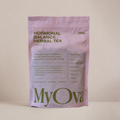
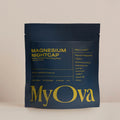
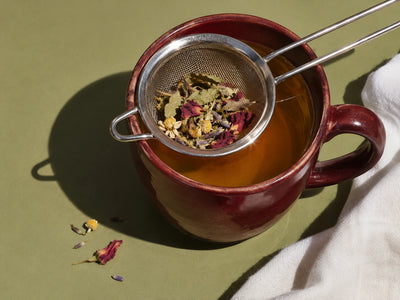
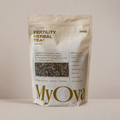
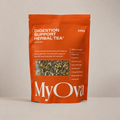
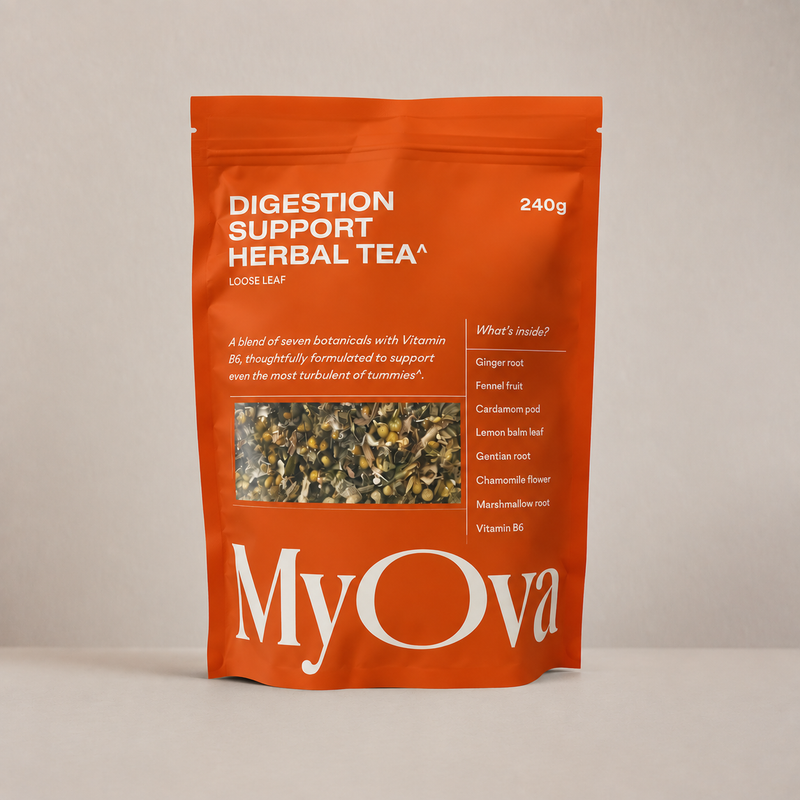
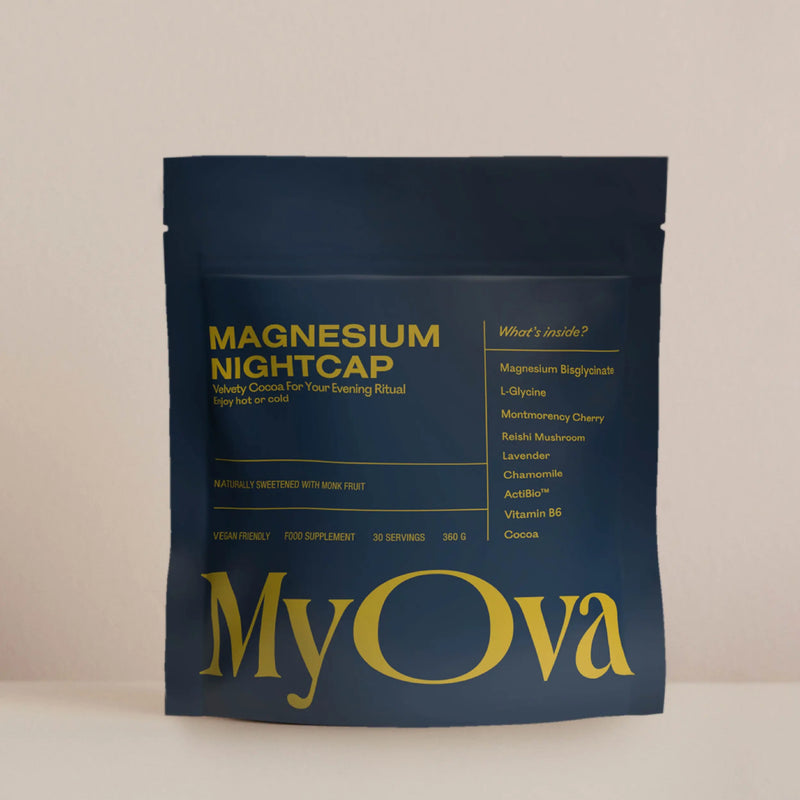
Our digestion range, from Digestive Support Botanical Tea, a caffeine-free loose leaf blend of chamomile, marshmallow root, ginger, fennel and lemon balm with vitamin B6, which contributes to the regulation of hormonal activity, to our Magnesium Nightcap evening chocolate drink.

Shop by category






-
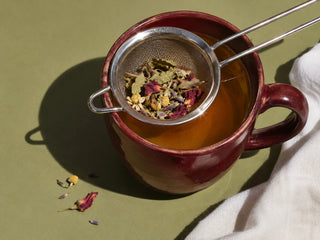
Digestive Support Botanical Tea
Say goodbye to menstrual-related bloating and reclaim your comfort and confidence with MyOva’s Digestive...
-
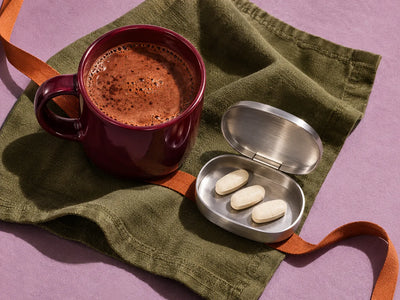
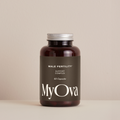
Magnesium Nightcap Chocolate Drink
Delicious as a hot chocolate or chilled milkshake, our Magnesium Nightcap is designed to...
- Mix & match Build your bundle, save up to 35%Mix and match the products you need. The more you add, the more you save.Build your bundle


No products match this filter.
Real women. Real reviews.
Read what customers actually say, filtered by where they are.
out of 5 from 1,700+ reviews
-
Natalie C
5 out of 5 stars…my periods were late, and barely here… Being back on MyOva for about a month maybe, weight has DROPPED, my period is BACK, ON TIME… Thank you MyOva! For restoring some hope of normality in my body again!
-
Sarah S.
5 out of 5 starsThis changed my life. I have been suffering with pcos for 5 years now. And haven't had a menstrual cycle for 5 years and this helped me a lot… I can't put words in to how grateful I am for this product.
-
Christianne
5 out of 5 starsI have suffered with heavy periods all my life (I'm now 40)… Extreme flooding, unable to leave the house for 1-2 days each period. After just 1 month of taking this, my period is back to normal, heavy but normal. This is incredible!
-
Nicole Smith
5 out of 5 starsI'll buy this before I buy my monthly shop! That is how thankful I am for this product! Stopped me from spotting for 7 days before my cycle and my cycle went down from 11 days to 7.
-
Cat
5 out of 5 stars…after years of unexplained bloating, I'm finally starting to get my shape back… MyOva is the first thing that's helped me regulate my hormones in years and I'm really grateful!
-
Nisha
5 out of 5 stars…my cycle has come, I had the lightest of cramps, no food cravings, no headache… no brain FOG… no back ache the list goes on… a must buy you won't be disappointed!!!
-
Indianna M.
5 out of 5 starsMe and my partner started taking these together… We have been TTC for 4.5 years and haven't caught once. I had my first positive pregnancy test 3 days ago. We are absolutely over the moon.
-
April
5 out of 5 starsI used MyOva Preconception back in 2022 while preparing for my IVF journey… Fast forward to today — I'm now a mom to a healthy, smart, and energetic 2-year-old boy!… Every fertility journey is different, but for me, MyOva Preconception was a wonderful addition that helped me feel proactive and hopeful.
-
Lucy
5 out of 5 starsStarting using 3 months ago - my periods became more regular after the 1st month and by month 3 we have managed to conceive! Now in the pregnancy version, highly recommend.
-
C E.
5 out of 5 starsMy very first cycle while taking these supplements was completely different. I ovulated much earlier… We were amazed that we conceived straight way that very first month on the supplements! It's difficult to say if these were the sole reason for our success…
-
Lucy
5 out of 5 starsI have lean PMOS and lost my periods following a miscarriage last year. One month after taking this with myo they returned and I put it down to these - thank you!
-
Jennifer A.
5 out of 5 starsI am currently trying to conceive… My periods were a bit erratic and I was having random bouts of spotting… Since taking these pills I now have regular cycles which run like clockwork and I ovulate each month.
-
Dheena
5 out of 5 starsI started to take the PCOS supplement 2021. With the help of it, my menstrual cycle regulated and fell pregnant as well. I am really grateful…
-
Sarah L.
4 out of 5 starsExcellent product, honest feedback
This really is a good product which I combine with the Balance option … The reason for 4 rather than 5 stars is the marketing: too many emails …
Reviewed in exchange for a discount code
-
Alexandra M.
4 out of 5 starsReally good tablets
The tablets are really good … My only let down is the tablets are so large.
Reviewed in exchange for a discount code
-
Coco
5 out of 5 starsLoving these vitamins so far at 8 months pregnant! (they do have a rather offputting smell when you first open them but no big bother)
-
Charlotte H
4 out of 5 starsEasy to take, too early to judge results
I have severe endometriosis and purchased these in the hope that they may help support my symptoms, although I've only just started taking them so it's far too early to comment on their effectiveness. The capsules are a reasonable size and easy to swallow, with no noticeable taste or unpleasant aftertaste.
-
MyOva customer
5 out of 5 starsSupporting men’s fertility health
It’s such a pleasure to see real support for men’s reproductive health … finally a supplement that focuses on men’s fertility and wellbeing!
-
MyOva customer
5 out of 5 starsI love this supplement … I feel supported knowing I’m giving my body the right nutrients. Highly recommend to anyone preparing for pregnancy.
-
MyOva customer
5 out of 5 starsAbsolutely love the Hormonal Balance tea! I’ve finished my first pack and can’t wait for the next one to arrive. It’s become part of my daily routine.
-
Taylor Smith
5 out of 5 starsCapsules over clouds of powder
This set is a brilliant replacement for those messy drink mixes… the capsules are smooth and easy to swallow even when I am feeling a bit green.
-
Daniel Boden
4 out of 5 starsI’ve been really happy overall with this pre-natal… One thing I really appreciate is that it contains iron. I’ve found a lot leave iron out, meaning you have to buy and take a separate supplement. Having everything combined in one formula makes…
-
Mazfeen Farooq
5 out of 5 starsWhat I like most is that the benefits built up gradually and consistently rather than being a quick fix… it's helped me feel much more in control of my PCOS symptoms.
-
Naomi
5 out of 5 starsMyOva is great - for the first time in my life I have regular periods, and I've never had that before. It's given me such a sense of relief!
-
Ross A.
5 out of 5 starsExcellent service and delivery. It's obviously early on in our process but I'm excited about this product and the ingredient list that goes into it.
-
Chiraag
4 out of 5 starsGood mix of supportive nutrients
This seems to be a well thought out supplement with various nutrients to better support male health… With any supplement where you are introducing nutrients it always takes some time…
-
Jasmine B.
5 out of 5 starsI have been using MyOva for a little over one year now. I have experienced many improvements including more regular periods, less acne, and less fatigue.
-
Kasia
5 out of 5 starsI'm really happy with this product… The quality is solid and the capsules don't have any bad taste or smell. Good quality and great value for money. Highly recommend
-
Annabel
5 out of 5 starsMy husband has been feeling more energised… Great quality product.
-
Verity
5 out of 5 starsThese capsules are for helping women with Endometriosis, which can be extremely painful… if you are wanting to try a natural aid, it would be worth a shot.
-
Zeb
5 out of 5 starsI received this cycle support supplement to help manage mood fluctuations and general discomfort around my cycle, and so far it’s been a thoughtful blend of ingredients aimed at that purpose.
-
Svenski
4 out of 5 starsGood quality
These are nicely presented with clear labelling, and with a good targeted formula to hopefully help through perimenopause and menopause. The tablets are quite large, but no real taste to them, so just take with plenty of water.
-
MyOva customer
5 out of 5 starsVery specialist supplement. Nice to see on the market.
It’s seemingly believed that PCOS disappears with menopause, but anyone who’s living with it will attest to the fact that it does not. I love that they made a supplement to target this often-ignored area.
-
James C.
5 out of 5 starsWe are currently going through the 'Egg collection' stage of IVF… I was taking 6/7 different tablets… I have been able to reduce it down to just this one and a multi-vitamin in the morning.
-
James
5 out of 5 starsI've always been a little skeptical about this type of thing but after doing my research and hearing recommendations from a couple of friends I'm really pleased I gave them a try.
-
Oliwia
5 out of 5 starsTargeted daily wellness support
Really thoughtful blend of botanicals and nutrients in this supplement. Easy to take capsules that fit into a daily routine without any hassle… Vegan capsules and UK manufacturing are a nice added reassurance of quality.
-
Katie N.
5 out of 5 starsFeel so much better taking these products, and my menstrual cycle is back on track.
-
LondonBoy
5 out of 5 stars…this one actually made a noticeable difference after a couple of cycles… She still had off days, but the intensity seemed dialled down a notch.
-
Jess
5 out of 5 starsGenuinely the first supplement that made a difference to the worst weeks of my cycle.
-
B
5 out of 5 starsI have certainly felt more comfortable during the time of the month. There is no nasty aftertaste…
-
Anonymous
5 out of 5 starsI just started to take the Menoplus and I have no adverse reactions. It feel better emotionally.
-
B
5 out of 5 starsThey seem to work for me
A good quality supplement to assist with my peri menopause, Good quality ingredients, no binders or fillers. The capsules are a reasonable size and easy to swallow.
-
Gloria
3 out of 5 starsGreat pre-natal however it smells awful.
-
DoubleThink
5 out of 5 starsA thoughtful formula for a very specific life phase
This feels like a product that was made with an actual person in mind rather than a marketing meeting and a pastel colour palette. The capsules are easy enough to take, and although four a day is not nothing, they are tasteless and straightforward to get down…
-
Oana M
5 out of 5 starsNoticeable reduction in PMS symptoms — less mood swings, bloating…
-
Caroline
5 out of 5 starsMore complete than cheaper alternatives
This supplement feels much better, more premium, and more complete compared to the cheaper options you often find on the supermarket counter… I particularly like that it includes iron, which is important for me and not always easy to find in similar supplements.
-
Katy
5 out of 5 starsI picked up MyOva Pregnancy because I wanted a prenatal style supplement that also includes a proper dose of myo inositol… The capsules are plain and easy enough to swallow, and I like that it is vegan and UK made.
-
LondonBoy
5 out of 5 starsA sensible option if you want hormone support without fuss
It is not something you expect instant miracles from, but after a few weeks there were some noticeable improvements in mood swings and general balance. Nothing dramatic, just a bit more steady day to day…
-
LondonBoy
5 out of 5 starsAfter a few weeks, she mentioned that her discomfort during certain points in the month felt a bit more manageable…
-
Claire E.
5 out of 5 starsVery calming
Very calming
-
Una D.
5 out of 5 starsGood tea
Very good tasting digestive tea. I can actually taste the ginger and lemon and it has a good aroma. I use two tea bags instead of one and get the perfect spicy cup. I enjoy a cup each night without adding anything else to it! I have tried other brands and they're just not as good.
-
Cici G.
5 out of 5 starsNice taste and good size bag
This is an excellent size bag for the price. The tea tastes good and is quite refreshing. I have heard good things about this brands supplements so I did not hesitate to order when I saw the tea. The tea is loose but instructions are clear.
-
Davina R.
4 out of 5 starsLight refreshing herbal blend
Lovely herbal tea blend that's easy to brew and store. The tea itself is very light but can become a touch bitter. I love this after my dinner to help unwind and relax as part of my nighttime routine…
-
Mrs A.
4 out of 5 starsPleasant taste
…The second round it was great. Once the water boiled, we put 4 teaspoons in and let it rest in there for a minute or two. It has a pleasant subtle taste. Nothing was overwhelming… Not the best tasting herbal tea. But certainly the most earthy one.
-
VK
4 out of 5 starsSoothing nighttime comfort
It's my first time with this lovely botanical caffeine-free tea, which I found easy to prepare. Just use 2 teaspoons in an infuser and leave to brew for 5 minutes… The taste is lovely and natural, with subtle herbal notes that are both refreshing and calming.
Frequently asked questions
What is the best tea for digestion?
The best tea for digestion is one you enjoy and will drink every day. Our Digestive Support Botanical Tea is a caffeine-free loose leaf blend of chamomile, marshmallow root, ginger, fennel, lemon balm, cardamom and gentian root, with added vitamin B6. Many people drink it after meals or in the evening.
Which herbal teas do people drink for bloating?
Fennel, ginger, chamomile and peppermint are among the herbs most often used in teas after meals. A warm, caffeine-free drink is an easy habit to build into your day. If your bloating is persistent, painful or new, see your GP.
Why do I get bloated before my period?
Bloating before your period is common and is linked to hormone changes in the second half of your cycle. Rising progesterone and shifting oestrogen can affect fluid balance and slow digestion slightly, so many women feel puffier in the days before their period. Eating less salt, drinking water, eating regular meals with fibre and moving every day can all help you feel more comfortable. If period bloating comes with severe pain, speak to your GP.
Why do I get bloated during menopause?
Bloating in perimenopause and menopause is common as hormone levels change, and it can affect digestion and how your body holds fluid. Small changes help many women, such as smaller meals, eating more slowly and keeping active. Bloating that’s persistent or lasts most days for three weeks or more should always be checked by your GP, especially if you’re over 50.
Is bloating common with PMOS (PCOS)?
Yes. Many women with PMOS (PCOS) say bloating is one of their most frustrating day-to-day symptoms. Hormones, how your body handles insulin, and diet can all play a part. Our guide to PMOS (PCOS) bloating explains the common causes and practical steps you can take. If bloating is affecting your everyday life, speak to your GP.
What’s in the Digestive Support Botanical Tea?
It contains chamomile flowers, marshmallow root, ginger root, fennel seeds, lemon balm leaf, cardamom pods, gentian root and vitamin B6. It’s a caffeine-free tea, vegan friendly and loose leaf, so there are no tea bags. It’s made in a factory that also handles nuts and seeds.
What are marshmallow root and gentian root?
Marshmallow root comes from the Althaea officinalis plant and has been used in herbal teas for centuries. It brews into a soft, mild tea. Gentian root comes from the Gentiana lutea plant and is one of the best-known bitter herbs. It has traditionally been taken before or after meals. Both are in our Digestive Support Botanical Tea.
How do I brew loose leaf digestive tea?
Put 4g (2 heaped teaspoons) of tea into an infuser and add freshly boiled water. Leave it to steep for about 5 minutes. Shake the pouch before you open it so the herbs are evenly mixed. Because it’s caffeine-free, you can drink it at any time of day, including after dinner.
Can I drink herbal tea if I’m pregnant, breastfeeding or on medication?
Speak to your GP, midwife or pharmacist before drinking herbal teas if you’re pregnant, breastfeeding, taking medication or under medical supervision. Some herbs aren’t recommended in pregnancy, so check first.
Why is the Magnesium Nightcap in the digestion collection?
The Magnesium Nightcap is a magnesium bisglycinate hot chocolate that also contains inulin, a type of dietary fibre, and Bacillus coagulans live cultures. Magnesium contributes to the reduction of tiredness and fatigue and to the normal functioning of the nervous system. Drink it 30–60 minutes before bed as part of your evening routine. It’s not suitable during pregnancy or breastfeeding.